

In today’s uncertain global economy, investors are increasingly turning to real assets investment management as a powerful tool to safeguard and grow their wealth. Persistent inflation and market volatility have underscored the value of tangible assets like real estate, infrastructure, and commodities. This comprehensive guide offers expert insights and actionable strategies designed for the evolving landscape of 2026. You will discover what sets real assets apart, explore current market trends, learn how to build a robust investment strategy, and understand the critical roles of risk management and technology. Ready to optimize your real assets investment management approach? Read on to unlock opportunities and position your portfolio for long-term success.
Understanding Real Assets: Definitions, Types, and Value Proposition
Real assets are gaining significant traction in real assets investment management, especially as investors seek tangible value and stability in unpredictable markets. These assets provide a foundation for portfolio resilience, acting as anchors during periods of economic volatility. Understanding their characteristics and value proposition is essential for effective real assets investment management in 2026. 
What Are Real Assets?
Real assets refer to physical, tangible investments such as real estate, infrastructure, natural resources, and commodities. Unlike financial assets, which include stocks and bonds, real assets derive their worth from their inherent physical properties. In real assets investment management, these assets are valued for their intrinsic qualities, including their ability to serve as inflation hedges and store of value. This contrasts with financial instruments that can be more susceptible to market sentiment and liquidity swings. Their tangible nature also means that real assets often provide a long-term foundation for wealth preservation and growth.
Key Types of Real Assets
There are several primary categories within real assets investment management, each offering distinct benefits and characteristics:
- Real estate: Includes residential, commercial, industrial, and multifamily properties.
- Infrastructure: Encompasses transport systems, utilities, and energy facilities.
- Natural resources: Covers timberland, farmland, and water rights.
- Commodities: Involves precious metals, energy products, and agricultural goods.
Each asset type plays a unique role in portfolio construction, allowing investors to tailor real assets investment management strategies to specific objectives and risk profiles.
The Value Proposition of Real Assets in 2026
In 2026, real assets investment management offers compelling advantages for both diversification and risk mitigation. These assets are known for their:
- Portfolio diversification: They often have low correlation with traditional financial markets.
- Inflation resilience: Real assets tend to retain or increase value during inflationary cycles.
- Long-term capital appreciation: Many real assets appreciate steadily over time.
- Steady income streams: Income from rent, tolls, or resource extraction contributes to predictable cash flow.
This combination of features makes real assets investment management a cornerstone for investors seeking stability and growth.
Institutional and Private Investor Perspectives
Institutional adoption of real assets investment management has reached new heights. Over 60 percent of global pension funds now allocate to real assets, according to Preqin’s 2024 data. These investors appreciate the steady returns and inflation protection real assets provide. Private investors also have more access than ever before, utilizing vehicles like REITs, specialized funds, and direct ownership. The responsibilities and benefits of managing these assets are further detailed in Real estate asset manager explained, offering essential insights for both institutional and private participants.
Real Assets vs. Other Alternatives
When comparing real assets investment management to other alternative investments—such as private equity, hedge funds, and digital assets—distinct differences emerge.
| Asset Class | Risk Profile | Liquidity | Regulatory Complexity | Income Potential |
|---|---|---|---|---|
| Real Assets | Moderate | Low-Medium | Medium | High |
| Private Equity | High | Low | High | Variable |
| Hedge Funds | High | Medium | High | Variable |
| Digital Assets | High | High | Evolving | Low-Variable |
Real assets investment management stands out for its regulatory transparency and reliable income streams, though it typically involves lower liquidity than digital assets or hedge funds. Understanding these trade-offs is crucial for optimal portfolio design.
Key Trends Shaping Real Assets Investment in 2026
The year 2026 marks a turning point for real assets investment management, as global shifts reshape risk and opportunity. To navigate this evolving landscape, investors must understand the forces driving demand for tangible assets. Let us explore the five most influential trends shaping strategies and performance in real assets investment management. 
Macroeconomic Factors and Market Drivers
Global macroeconomic conditions are front and center for real assets investment management in 2026. Persistent inflation, fluctuating interest rates, and central bank policies are heavily influencing asset valuations and investor sentiment. As capital seeks stability, tangible assets attract increased allocations. Cross-border investment flows are surging, with institutional investors targeting regions offering resilient growth and favorable regulatory environments. According to Emerging Trends in Real Estate 2026, sectors like logistics, data centers, and multifamily housing are outperforming traditional office assets. These macro trends reinforce the strategic importance of real assets investment management in building durable portfolios.
ESG and Sustainability Imperatives
Environmental, Social, and Governance (ESG) factors are transforming real assets investment management. Investors and regulators now demand assets that align with sustainability goals and responsible practices. The introduction of frameworks such as the EU Sustainable Finance Disclosure Regulation (SFDR) and new US climate disclosure rules is accelerating this shift. Recent data shows that 80% of institutional investors evaluate ESG criteria when assessing real assets. Sustainable infrastructure, green buildings, and renewable energy assets are seeing strong inflows as a result. In 2026, integrating ESG into real assets investment management is not only a regulatory requirement but also a driver of long-term value and risk mitigation.
Technological Innovations in Asset Management
Technology is revolutionizing real assets investment management, making operations more efficient and decisions more data-driven. Innovations like digital twins, IoT sensors, and smart infrastructure enable real-time monitoring and predictive maintenance. Artificial intelligence and advanced analytics are optimizing asset performance and uncovering new value streams. Blockchain technology is also gaining traction for asset tokenization, improving transparency and liquidity. These advancements empower managers to automate reporting, benchmark performance, and respond quickly to market shifts. As technology adoption accelerates, staying ahead in real assets investment management requires a commitment to digital transformation.
Urbanization, Demographics, and Societal Shifts
Demographic and societal changes are major forces in real assets investment management. Rapid urbanization is fueling demand for multifamily housing, logistics hubs, and data centers. The global urban population is projected to reach 68% by 2050, according to the United Nations. Aging infrastructure and shifting consumer preferences are prompting investors to prioritize modernization and adaptive reuse. Sectors like healthcare real estate and last-mile logistics are benefiting from these trends. Successful real assets investment management strategies account for evolving demographic patterns and urban development pressures.
Geopolitical and Regulatory Developments
Geopolitical dynamics introduce both risk and opportunity for real assets investment management. Trade tensions, resource nationalism, and political instability can affect asset values and cross-border capital flows. Changes in land use policies, tax regimes, and foreign ownership laws are reshaping how and where investors allocate capital. Recent developments in regions like APAC and EMEA highlight the need for robust legal and regulatory due diligence. Proactive real assets investment management includes monitoring legislative trends and adapting strategies to navigate shifting global landscapes. Staying informed is essential for managing risk and capturing new opportunities.
Building a Robust Real Assets Investment Strategy
Creating a robust real assets investment management strategy for 2026 requires a disciplined, methodical approach. Given the evolving global landscape, investors must carefully balance risk, return, and resilience. Each step in the process—from setting objectives to leveraging AI-powered analytics—plays a pivotal role in achieving sustainable success.
Setting Clear Investment Objectives
The foundation of effective real assets investment management is a well-defined set of objectives. Investors should begin by clarifying their risk tolerance, return expectations, and liquidity requirements. For example, some may prioritize stable income over long-term appreciation, while others seek growth even if it means accepting higher volatility. Aligning these goals with overall portfolio strategy ensures that real assets serve their intended purpose within a broader investment framework. Regularly reviewing objectives is crucial as market conditions and personal circumstances evolve. This dynamic approach helps maintain the relevance and effectiveness of any real assets investment management plan.
Asset Selection and Due Diligence
Prudent asset selection is at the heart of successful real assets investment management. Investors should develop screening criteria based on location, asset quality, and ESG considerations. Thorough due diligence involves legal, environmental, and operational checks. This process uncovers potential risks, such as regulatory issues or environmental liabilities, and verifies that each asset aligns with the investor’s objectives. By systematically evaluating opportunities, investors can avoid costly pitfalls and ensure that their real assets investment management decisions are grounded in reliable data.
Portfolio Construction and Diversification
Diversification is a cornerstone of real assets investment management. Balancing direct investments, such as property ownership, with indirect vehicles like REITs or funds can provide flexibility and risk mitigation. Effective diversification also involves spreading investments across geographies, sectors, and asset types. For instance, combining infrastructure, commercial real estate, and natural resources can reduce exposure to sector-specific downturns. According to recent studies, diversified infrastructure funds have outperformed single-sector peers by 1.5 percent CAGR, highlighting the tangible benefits of a multi-pronged approach in real assets investment management.
Capital Allocation and Financing Structures
Deciding how to allocate capital is a critical aspect of real assets investment management. Investors must weigh the merits of equity versus debt investments, considering factors like risk, expected returns, and cash flow needs. Leverage can enhance returns but also introduces additional risk. Exploring co-investment and joint venture models allows investors to access larger deals, share expertise, and diversify capital sources. Selecting the right financing structure is essential to optimize portfolio performance and align with the overall real assets investment management strategy.
Performance Measurement and Benchmarking
Continuous measurement is vital for effective real assets investment management. Key performance indicators such as IRR, cash yield, occupancy rates, and net operating income (NOI) provide actionable insights into asset performance. Benchmarking against industry indices like NCREIF and MSCI helps investors gauge relative success. The integration of technology enables real-time data collection and reporting, enhancing transparency and decision-making. Establishing a robust monitoring framework supports ongoing improvement and accountability within real assets investment management.
Risk Management and Downside Protection
Every real assets investment management strategy must address risk head-on. Identifying potential threats—including market, operational, regulatory, and environmental risks—enables proactive mitigation. Tools such as insurance, hedging instruments, and stress testing help safeguard capital. Scenario analysis, involving the simulation of adverse market conditions, prepares investors for unexpected events. Adopting a disciplined approach to risk management ensures the long-term stability of real assets investment management portfolios.
AI-Driven Portfolio Optimization: The Role of Advanced Analytics
Advanced analytics and AI are transforming real assets investment management. AI-powered platforms, such as Leni, enable managers to automate reporting, benchmark performance, and uncover actionable insights with unprecedented speed.
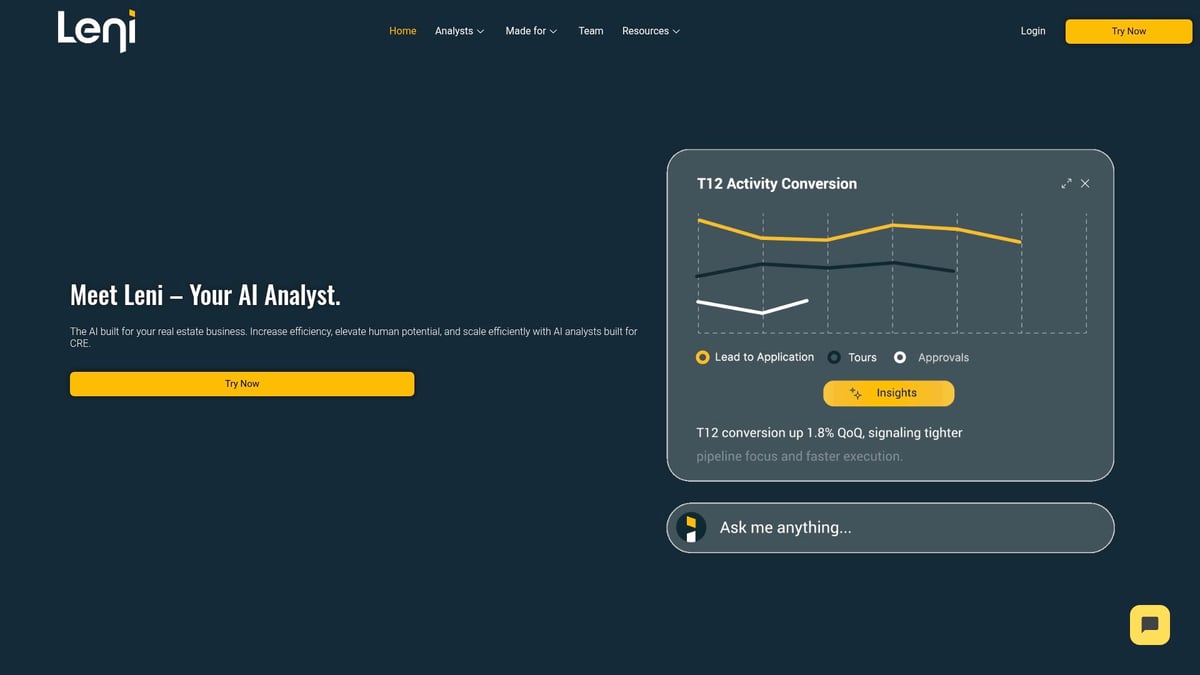
For example,multifamily property owners use AI to optimize rental pricing, maximize revenue, and streamline operations. Data integration and automation are increasingly essential for institutional-grade asset management in 2026. Embracing these tools empowers investors to make data-driven decisions and maintain a competitive edge in real assets investment management.
Navigating Risks and Challenges in Real Assets Investment
Investors face a complex landscape in real assets investment management, where risks shift as quickly as opportunities emerge. Understanding and proactively managing these challenges is essential for protecting capital and achieving long-term success. Let us examine the key risk factors shaping the sector in 2026.

Market Volatility and Economic Uncertainty
Economic cycles and market shocks remain central risks in real assets investment management. During periods of recession or inflation spikes, real assets often outperform traditional equities, but they are not immune to price corrections or income disruptions. For example, the 2008 global financial crisis and the 2020 pandemic revealed both the resilience and vulnerability of real estate and infrastructure. In 2026, investors must closely track macroeconomic signals. Rising interest rates can impact asset valuations, while global capital flows may shift toward tangible assets as a safe haven. For deeper insights on sector performance projections, the 2026 Global Investor Outlook offers valuable analysis for real assets investment management.
Liquidity and Exit Strategies
A defining characteristic of real assets investment management is their illiquidity compared to stocks or bonds. This illiquidity premium can enhance returns but also complicate access to cash when needed. Investors must plan exit strategies well in advance, considering the timing and structure of potential sales or redemptions. Secondary markets and fund structures have evolved to offer more flexibility, but not all assets are equally marketable. Options include selling direct holdings, redeeming fund shares, or utilizing new platforms for trading fractional interests. Portfolio planning should always account for these liquidity constraints within real assets investment management.
Regulatory Compliance and Reporting
Regulatory landscapes for real assets investment management are rapidly evolving. Disclosure rules around Environmental, Social, and Governance (ESG) factors, anti-money laundering, and cross-border transactions are becoming stricter across major markets. Investors must ensure robust compliance frameworks to avoid legal penalties and reputational damage. Technology plays a crucial role in audit readiness and compliance tracking, streamlining data collection and reporting. Guidance from resources such as ESG in Real Assets can help investors align their real assets investment management practices with global best standards.
Operational and Environmental Risks
Physical assets face unique operational and environmental risks. Climate change, natural disasters, and asset obsolescence can disrupt cash flows and reduce asset values. Effective real assets investment management requires proactive risk mitigation, such as resilient design, regular maintenance, and comprehensive insurance coverage. Environmental risks are increasingly material to investment outcomes. Investors who integrate sustainability considerations into their operational strategies can better protect portfolios and enhance long-term value in real assets investment management.
Geopolitical and Legal Risks
Geopolitical developments can reshape the risk profile of real assets investment management overnight. Trade tensions, new foreign ownership laws, and resource nationalism can impact cross-border investments. Recent regulatory shifts in APAC and EMEA highlight the importance of monitoring political risks and adapting strategies accordingly. Legal frameworks, including changes in land use policy and taxation, may alter returns or limit market access. Scenario analysis and engagement with local experts are essential tools for navigating the legal complexities in real assets investment management.
The Future of Real Assets Investment Management: 2026 and Beyond
As we look toward the future, real assets investment management will continue to evolve rapidly, shaped by emerging asset classes, shifting investor priorities, technological breakthroughs, and a growing focus on sustainability. What lies ahead for professionals and institutions seeking to optimize value in this dynamic environment?
Emerging Opportunities: New Asset Classes and Markets
By 2026, the landscape of real assets investment management is expanding beyond traditional real estate and infrastructure. Data centers, renewable energy projects, and digital infrastructure are becoming core components of diversified portfolios. Investors are also exploring frontier markets and untapped geographies, seeking yield and diversification. According to the 2026 Real Estate Outlook, private markets are set for significant growth, with digital and sustainable assets leading the way. Key opportunities include:
- Data centers supporting global digital transformation
- Solar and wind farms driving the energy transition
- Logistics hubs in emerging economies
These trends signal a broader, more innovative approach to real assets investment management.
The Evolution of Investor Preferences
Investor preferences are shifting quickly. There is a notable movement toward sustainable, impact-driven investments, especially among younger and institutional investors. Fractional ownership and tokenization are making real assets more accessible to retail investors, democratizing the market. This trend opens the door for smaller investors to participate in assets that were once exclusive to large institutions. A comparison of investor types:
| Investor Type | Preferred Assets | Access Methods |
|---|---|---|
| Institutional | Infrastructure, ESG funds | Direct, Funds, REITs |
| Retail | Multifamily, Tokenized | Platforms, Fractional |
This evolution requires real assets investment management strategies to be more flexible and inclusive.
Technology’s Expanding Role in Asset Management
Technology is fundamentally reshaping real assets investment management. Predictive analytics, machine learning, and real-time data platforms are now essential for optimizing performance and risk management. Adoption of AI in portfolio management has surged, with asset managers leveraging AI-driven real estate software to automate reporting, benchmark returns, and uncover actionable insights. These tools enable more informed decisions, from acquisition to disposition. For example, predictive analytics help managers anticipate market shifts and identify undervalued assets. This digital transformation ensures that real assets investment management remains competitive and future-ready.
The ESG Imperative and Green Assets
Environmental, social, and governance (ESG) factors are now central to real assets investment management. Net-zero commitments and climate-resilient investments are at the forefront of strategic planning. Green bonds and sustainable infrastructure funds are attracting capital as investors seek both financial returns and measurable impact. This shift is reinforced by global regulations and investor demand for transparency. Types of green assets include:
- LEED-certified commercial buildings
- Renewable power plants
- Sustainable water infrastructure
A strong ESG focus not only mitigates risk but also enhances long-term value in real assets investment management.
Strategic Considerations for 2026 and Beyond
Long-term success in real assets investment management requires careful horizon planning and adaptability. The environment will demand collaboration between public and private sectors, especially for large-scale infrastructure and sustainability projects. Asset managers must remain agile, continually updating their knowledge and strategies to respond to regulatory changes, technological advances, and market disruptions. Key strategies include:
- Scenario analysis to anticipate market shifts
- Building cross-sector partnerships
- Investing in ongoing education and research
These considerations ensure resilience and sustained growth.
Preparing for the Unexpected: Black Swans and Scenario Planning
The future holds uncertainties that can challenge even the best-prepared investors. Black swan events, from geopolitical shocks to environmental disasters, highlight the need for robust scenario planning in real assets investment management. Learning from past crises and integrating contingency plans into every strategy is vital. This approach empowers investors to navigate volatility and capitalize on future opportunities. Real assets have never been more crucial for building resilient, future-ready investment portfolios—especially when paired with smart technology and actionable insights. Taking these strategies into practice gives you a real edge in asset and portfolio management. With advanced analytics and AI-driven optimization, you can track performance, benchmark assets, and uncover new ways to maximize revenue with confidence. Let’s make your 2026 investment strategy count—

Leni is an AI analyst with a background in real estate.
Born in 2022, Leni works alongside asset managers, asset owners, and limited partners, helping teams stay oriented across systems like Yardi and Entrata. With an understanding of both operations and financials, Leni helps teams spot risk early and actively steps in by surfacing insights, creating alerts, and keeping work moving, decisions aligned, and momentum intact.
Get Portfolio Insights With Leni Analytics


