


Multifamily asset management software is a real estate application that focuses on the management of many-family dwellings. It connects all relevant data streams, automates mundane tasks, and generates insights. This makes it more efficient for various operations of property managers, asset managers, and investors.
These features help users manage and improve their investment properties throughout their investment journey. They can focus on the important aspects that ensure good governance of their real estate investments.
Key Features of Multifamily Asset Management Software Solution
1. Performance Monitoring: A performance monitoring program designed for your assets may include the following key indicators:
- Occupancy Rates: It is important to watch tenants moving in and out. Try to keep most of them to maintain cash flow for the business. It is vital to fill up units since filling them improves revenue streams and minimized downtimes.
- Rental Income: Keeping track of monthly and yearly rent from tenants shows you how much money you make over time. It also helps you find ways to increase that income.
- Operating Expenses: Profitability can be affected by daily running costs, vendor contracts, and fixed costs like electricity. Shaving those costs down and reining them in may prove profitable in the long run.
- Net Operating Income (NOI) is important. Combining all the tools can increase the chances of doubling returns on assets. It can also help achieve other goals.
Key performance indicators help property managers and asset managers see beyond individual properties. They provide a broader view of a multi-asset portfolio.
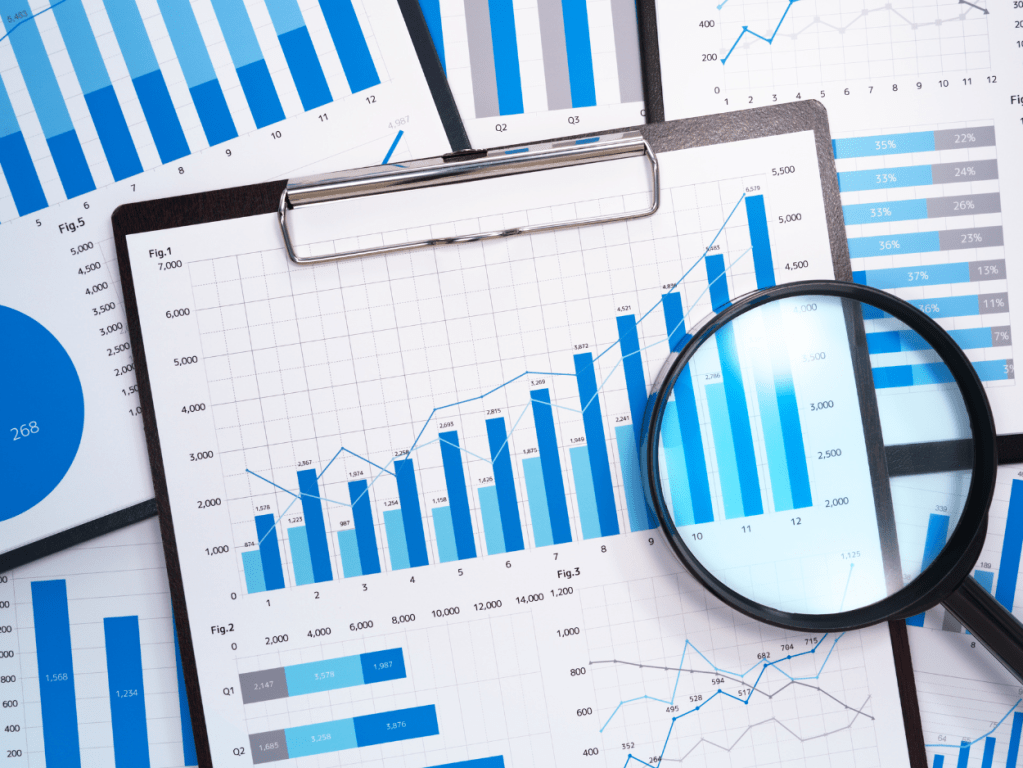
2. Data Consolidation: Property management software solutions and databases for procurement, finance, marketing, and risk management can be combined into single cloud-based products. These products work together smoothly.
- Property Management Systems: You can combine contracts, tenants, and other tasks into one system. A property management system makes this easier.
- Financial Systems: A financial statement, an official cash register, and budgets can now be combined. This gives a complete view of the company’s finances.
- Maintenance and Repair Logs: Gather all information on repairs and maintenance. This includes schedules for repairs and records of all maintenance done on the property.
Data consolidation removes barriers between systems. It gives stakeholders, including investors and staff, the most accurate information they need right away. This enhances communication, decreases discrepancies concerning data, and reduces inefficiencies in the organization processes.
3. Maintenance and Repairs Management: Through an Equiem’s property maintenance toolbox, ensure that properties are in the best possible situations:
- Scheduling and Recording: Staying ahead of problems with maintenance recordings at the required scheduled intervals
- Budget Tracking: Keeping an eye on the repairs and maintenance request so as not to go past the limits set out by the budget.
- Depreciation Prevention: Preventing the wear and tear damage to the property through good management.
Good maintenance management lowers complaints from tenants. It also increases their satisfaction. This leads to better retention rates and greater appreciation of the property.
4. Reporting and Financial Analysis: Assist upper management with strategic planning. Increase company transparency by creating reports that are timely and useful.
- Cash Flow Analysis: In order to optimize ROI cut costs and go through revenues under each category.
- Budgeting and Forecasting: In order to achieve certain goals create concrete plans of utilizing finances in the future.
- Transparent Stakeholder Reports: Ensure that investors and other team members are kept informed of important matters by providing clear yet concise financial summaries.
These tools make financial reporting easier. They reduce the time wasted on manual work. They also keep everyone informed. This helps in making quick and correct decisions.
5. Project Compliance Tracking: Meet regulatory requirements and avoid penalties at all costs.
- Inspection and Compliance deadlines Monitoring: Checking inspections, certifications as well as compliance deadlines.
- Notification through Email: Automated alerts to ensure appropriate action is taken for safety inspections or re-certifications.
- File and Documentation: Ensure all the procedures and documents are completed in anticipation of an audit.
Tracking compliance prevents the assets from legal suits, and violations of state and federal regulations, which translates into tenant properties that are safe and secured.
6. Fund Management and Portfolio strategies: Consider assets’ performance across a portfolio, aiding decision making concerning investment and management in the assets:
- Income Sources: Analyze the source of revenue and calculate income that could be received on investment in the future.
- Cost Structure: Identify the operating costs of a company’s operations including potential amounts that could be cut down.
- Market Vision: Helps to obtain opportunities for strategic investments based on external information regarding external data and current trends.
Advantages of Multifamily Asset Management Software Solution
- Increased Operational Efficiency: Using software like the multifamily management systems can minimize human error in tasks such as financial analysis, reporting, and maintenance tracking by automating them. This also enables the strategic team to conserve their precious time which can now be allocated for setting long-term goals.
- Improved Cost Management: Finding better resources optimization and eliminating excess spending have been made easier by incorporating business intelligence. Reallocating aids such as reducing utility usage or changing contracts with contractors to save on costs are just a few examples.
- Enhanced Decision-Making: Use real-time data to appraise investment options, property purchases, region potential growth, among others. This with optimal costs guarantees more coverage.
- Streamlined Collaboration: Automate reporting to enhance communication as well as share data among property managers, investors, and all other interested parties. This intelligence-based reporting also enhances coordination amongst the parties.
- Maximized Asset Value: To ensure that the assets do not depreciate over time or even better appreciate in value, it is critical to establish and enforce effective Tenant Relations policies, as well as Property Maintenance policies.

Leni is an AI analyst with a background in real estate.
Born in 2022, Leni works alongside asset managers, asset owners, and limited partners, helping teams stay oriented across systems like Yardi and Entrata. With an understanding of both operations and financials, Leni helps teams spot risk early and actively steps in by surfacing insights, creating alerts, and keeping work moving, decisions aligned, and momentum intact.
Get Portfolio Insights With Leni Analytics


