


Loss to Lease (LTL) is the difference between the market rent a property could charge and the actual rent currently paid by tenants. It shows how much potential income is lost when units are rented below market rates. This concept is imperative in commercial real estate as it directly influences a property’s potential revenue and valuation.
Understanding Loss to Lease:
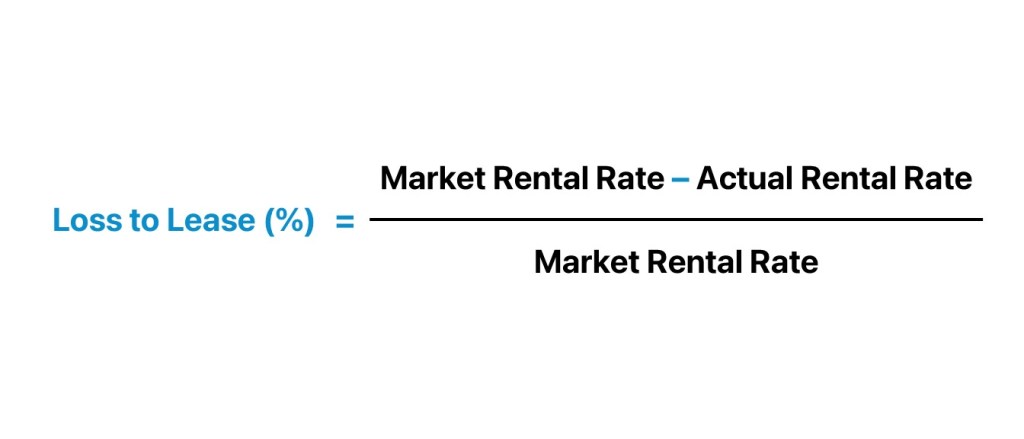
A unit has a market rent of $1,500, but the tenant pays $1,400 because of an old lease. This results in a monthly loss of $100 in rental income. This gap represents potential income that the property manager is not capturing.
Get Portfolio Insights With Leni Analytics


Why Loss to Lease Matters:
- Revenue Impact: LTL indicates how much could have been earned by charging current rentals similar prices as those demanded on average in the market. If there is high loss-to-lease then this means that either market rates have gone up without an increase in rents or free months, long-term leases or some combination have caused the lag.
- Investment Decisions: Investors and property owners, amongst other things consider loss-to-lease when determining whether there are opportunities for reducing LTL by matching rents with their market rates. A move aimed at increasing gross potential rent for enhanced financial performance of properties owned can facilitate this.
- Cap Rates: Reducing LTL helps raise cap rates thereby increasing total value of property.
- Gain to Lease: On the other hand, when actual rent charged is more than market rental rate, this phenomenon is referred to as a gain to lease. This takes place in scenarios where leases were written prior to considerable increases in market rates due to market rally.

Leni is an AI analyst with a background in real estate.
Born in 2022, Leni works alongside asset managers, asset owners, and limited partners, helping teams stay oriented across systems like Yardi and Entrata. With an understanding of both operations and financials, Leni helps teams spot risk early and actively steps in by surfacing insights, creating alerts, and keeping work moving, decisions aligned, and momentum intact.
Get Portfolio Insights With Leni Analytics
