What is mid-market real estate?
45.webp&w=1920&q=75)
Want to diversify your portfolio with stable assets? Mid-market real estate offers appealing investment options and steady income streams. Learn more!
In real estate, “mid-market” means properties or deals in the middle range. This area connects luxury homes and affordable housing.
For investors, that middle band often matters because it can offer a more practical balance of price, demand depth, and operational resilience than either highly luxury or deeply distressed segments.
This segment is important in the commercial real estate market. It offers investment opportunities that balance accessibility, quality, and potential returns. The term often aligns with middle market investments, a category frequently targeted by institutional investors, private equity firms, and others seeking steady cash flows and long-term value appreciation.
For commercial real estate, mid-market typically includes middle market assets such as office buildings, retail spaces, or industrial properties located in secondary or suburban markets. These properties may not be in prime locations, but they often have good prices. In practice, the appeal of mid-market assets often comes from finding properties where tenant demand remains durable, replacement costs are high enough to support value, and competition from institutional capital is less extreme than in trophy assets. They also have stable tenants and the chance for strong cash flows.
In the residential real estate sector, mid-market properties cater to the median range of buyers, balancing affordability with desirable features such as modern amenities and favorable locations. These properties are essential for fostering homeownership and addressing demand from a wide market segment. That broad demand base is one reason mid-market housing can be more resilient through market cycles, especially when affordability pressure pushes more households toward practical, well-located options.
Why Mid-Market Matters in Real Estate
Mid-market real estate holds a strategic position as an asset class, offering a range of benefits that appeal to a diverse pool of investors. The segment provides:
Stable Cash Flows: Middle market assets often generate reliable income through long-term leases and stable occupancy rates.
Resilience to Market Volatility: Mid-market properties are less vulnerable to extreme fluctuations compared to high-end or luxury real estate.
Broad Investment Opportunities: These properties allow for varied investment strategies, from value-add renovations to income stabilization, making them attractive for both private equity players and individual investors.
Appeal to Institutional Investors: With their balance of risk and reward, middle market investments attract institutional investors looking to diversify portfolios and capture long-term value.
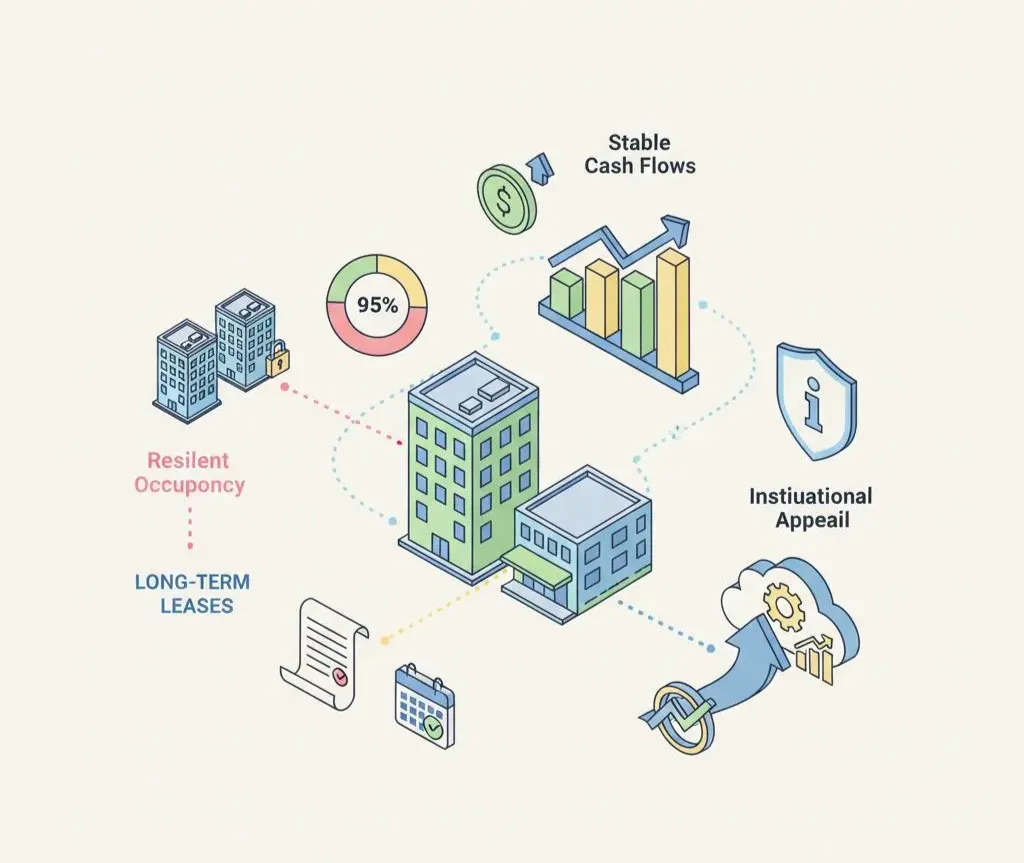
Operational Upside: Mid-market properties can also offer room for incremental improvements in pricing, occupancy, or expense management that create value without requiring a full repositioning strategy.
The Leadership Series: Where AI Should Look Before You Define a Market Opportunity
Ian Mattingly explains how AI can pull together local demand signals, demographics, and market context to help investors assess opportunities with more confidence.

Factors Influencing Mid-Market Investments
When evaluating a middle market deal, several factors come into play:
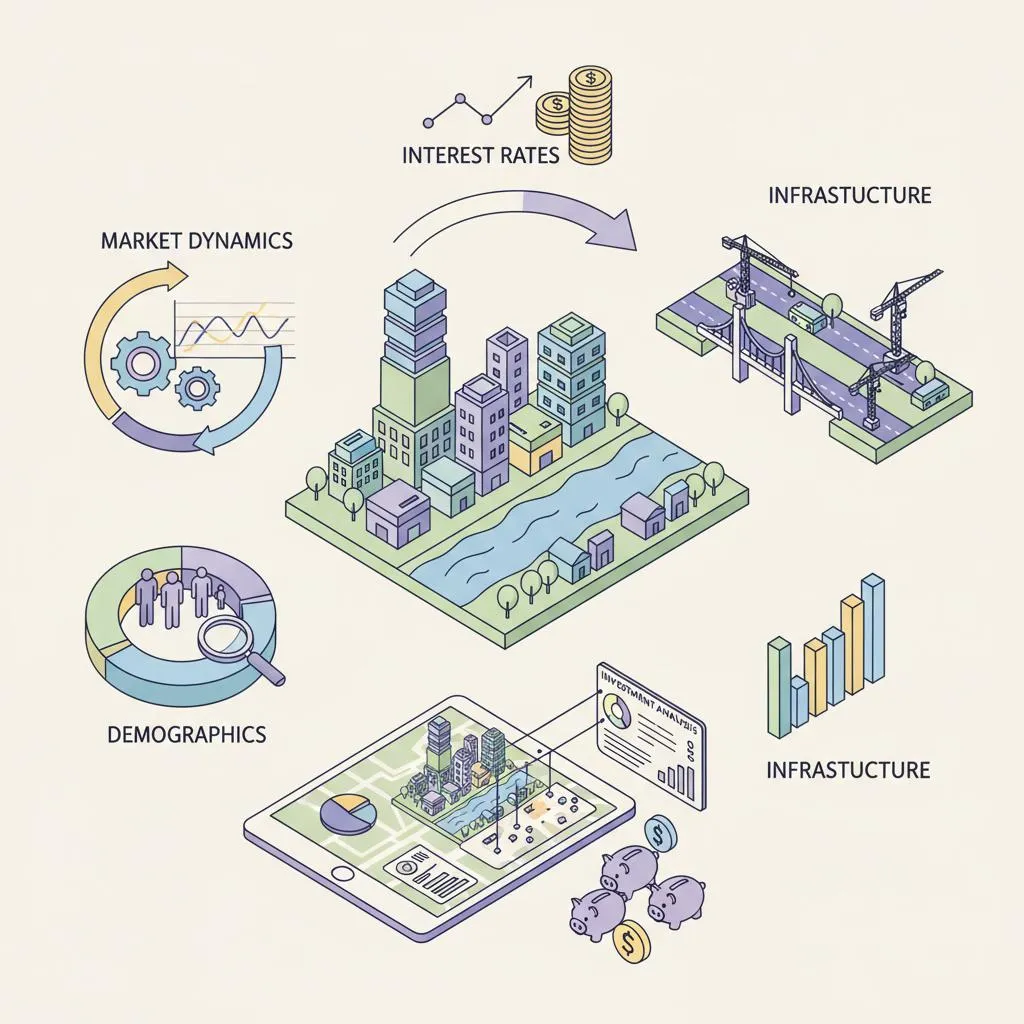
Interest Rates: Rising or falling interest rates directly impact financing costs and the overall returns on middle market assets.
Market Dynamics: ChChanges in local demographics, employment rates, and infrastructure development can significantly influence the viability of middle market investments. This is where source-backed market research becomes especially valuable, helping investors verify whether apparent value is supported by durable demand or simply reflects a weaker competitive position.
Significant Capital Requirements: Although mid-market properties often require less capital than high-end assets, they still demand thoughtful capital allocation and effective management.
Long-Term Potential: For investors seeking sustainable growth, middle market real estate offers opportunities to generate value over extended timeframes through strategic enhancements and consistent cash flows.
Informational Purposes and Investment Decisions
Understanding the mid-market real estate segment is critical for making informed investment decisions. Whether targeting residential or commercial properties, this market segment provides a balance of risk and reward. In real workflows, investors often pair that high-level definition with underwriting, rent comparisons, and market scans so they can determine whether a specific asset is truly mid-market in opportunity, not just in price point.
Investors who want to diversify their portfolios or adjust to changing market conditions should consider mid-market real estate. It is a solid choice for these goals. It offers both stability and growth potential in a competitive environment. For teams evaluating multiple opportunities, the advantage increasingly comes from turning market research, deal materials, and operating assumptions into faster, more verifiable decisions instead of relying on fragmented manual analysis.


AI in Real Estate Community
Connect with asset managers, operators, and investors navigating AI adoption in real estate.

Latest Help Articles
Learn about how AI is changing the investment world with in-depth research and industry voices.


MEET LENI
Purpose Built Agentic Platform for Investors
Designed for people who want to do serious work using AI.
We Work with Leaders Shaping the Industry
From automating portfolio reporting to market research, learn how leaders are integrating AI in their businesses.
