What Is RPM Living? Meaning, Property Management, and Multifamily Real Estate Use Cases

What Is RPM Living? Meaning, Property Management, and Multifamily Real Estate Use Cases
When people search for RPM Living, they are usually not looking for a generic real estate term. They are trying to understand a specific company in the apartment and multifamily housing space.
That matters because RPM Living is not a software product or a broad industry concept. It is generally understood as a multifamily property management and operations company that helps run apartment communities on behalf of owners and investors.
In simple terms, RPM Living refers to a company focused on the day-to-day execution of multifamily real estate. In practice, that means overseeing leasing, resident experience, maintenance coordination, on-site operations, and owner reporting.
If you want the shortest definition, it is this: RPM Living is a multifamily property management company that helps operate apartment assets at scale.
What RPM Living Does
At a high level, RPM Living sits on the operational side of multifamily real estate. Its role is to help keep apartment communities leased, maintained, staffed, and running in a way that supports ownership goals.
Leasing and marketing: helping fill vacant units, manage prospects, process applications, and support renewals
Resident operations: supporting move-ins, tenant communication, service resolution, and resident retention
Maintenance coordination: managing repairs, work orders, vendors, preventative maintenance, and unit turns
On-site execution: overseeing community standards, staffing, and day-to-day property workflows
Owner reporting: giving owners visibility into occupancy, collections, expenses, and operational performance
Portfolio execution: applying management processes across multiple multifamily assets rather than just one building
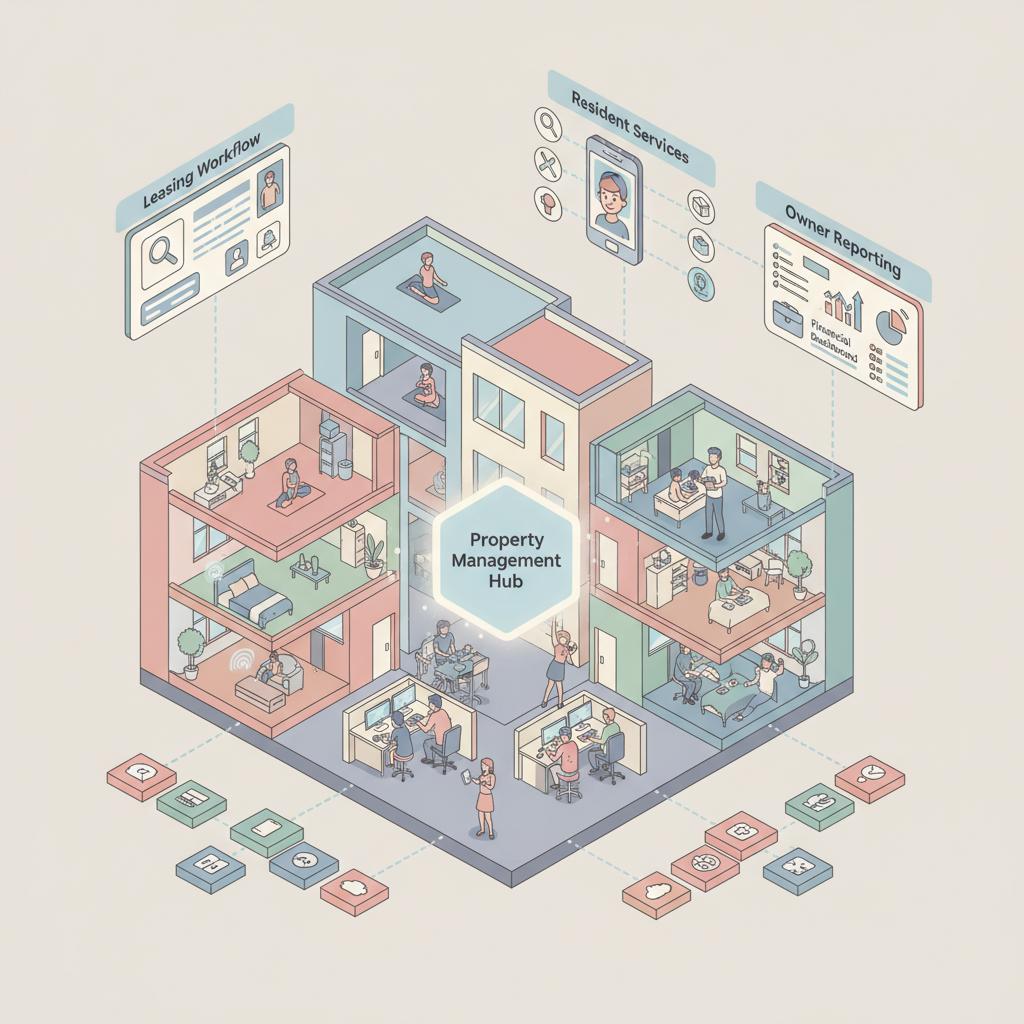
How RPM Living Fits into Multifamily Real Estate
Multifamily real estate has several distinct layers. Understanding where RPM Living sits makes the role much clearer.
Layer Primary Role Examples Ownership and investment Capital allocation, acquisitions, portfolio strategy Private equity firms, REITs, family offices Asset management Investment oversight, business plan execution, value creation Internal asset managers, third-party asset managers Property management and operations Leasing, maintenance, resident services, on-site execution RPM Living and similar multifamily operators Property management software Systems for tracking rent, accounting, maintenance, leasing, and reporting Yardi, RealPage, Entrata, AppFolio
RPM Living operates at the property management and operations layer. It helps execute the business plan set by ownership and asset management teams.
What People Usually Mean When They Search for RPM Living
Search intent around RPM Living usually falls into a few categories:
They want to know whether RPM Living is a property management company.
They are a resident or prospective renter trying to understand who manages a community.
They are an owner or investor evaluating multifamily management platforms.
They are comparing RPM Living to other apartment operators or third-party managers.
They want to understand whether RPM Living is a service company, a brand, or a software tool.
The most important clarification is simple: RPM Living is generally discussed as a management and operations company, not as a standalone software platform.
Key Functions Associated with RPM Living
Leasing Performance
Leasing is one of the fastest ways multifamily performance improves or deteriorates. A company like RPM Living typically influences traffic conversion, occupancy support, renewals, and pricing execution at the property level.
Resident Experience
Property management quality often becomes visible to residents before it shows up in financial reports. Communication, service quality, responsiveness, and renewals all shape retention and reputation.
Maintenance and Service Coordination
Maintenance affects both cost control and resident satisfaction. Strong execution here can reduce complaints, support occupancy, improve renewal rates, and help protect the physical asset.
Operational Consistency Across Properties
For portfolios with multiple communities, standardized operating processes reduce drift between assets. That makes reporting cleaner and performance management more scalable.
Owner Visibility and Reporting
Owners need more than rent deposits. They need operating visibility. That usually means reporting on occupancy, collections, expenses, maintenance patterns, leasing trends, and budget performance.
Why RPM Living Matters
Property operations directly affect investment returns. That is why a company like RPM Living matters to owners, investors, and asset managers.
Occupancy: better leasing execution supports income stability and lowers vacancy loss
Renewals and retention: stronger resident experience can reduce turnover costs
Maintenance performance: better service coordination helps control costs and protect the asset
Expense control: operational discipline can improve margins and support NOI
Reporting consistency: cleaner property-level reporting helps ownership evaluate whether the asset is on plan
Interesting insight: in multifamily real estate, property management is not just a service layer. It is also a performance layer.
RPM Living vs Property Management Software
This is one of the most useful distinctions for readers and investors.
Category RPM Living Property Management Software What it is A multifamily property management company A technology platform What it does Runs apartment communities through people, processes, and on-site execution Provides systems for accounting, leasing, payments, maintenance, and reporting Who uses it Owners hire RPM Living to manage their assets Property managers use the software to run workflows Relationship Service provider Tool used by service providers
A useful shorthand is this: RPM Living is the company running the property, while Yardi, RealPage, Entrata, or AppFolio are systems used to help manage the work.
Who Typically Interacts with RPM Living
Property owners who outsource multifamily operations
Institutional and private investors who want third-party management support
Asset managers who coordinate with property managers on business plan execution
Residents living in communities managed under the RPM Living brand
Vendors and contractors working with maintenance and procurement teams
On-site teams operating within the company’s management structure
What RPM Living Does Not Mean
It is also useful to clear up a few misconceptions.
It does not usually refer to a pure accounting or asset management software platform.
It does not automatically mean ownership of the property itself.
It does not replace underwriting, acquisitions discipline, or portfolio strategy.
It does not eliminate the need for asset-level decision-making by ownership.
You might want to explore this further: operating the property and analyzing the investment are connected, but they are not the same function.
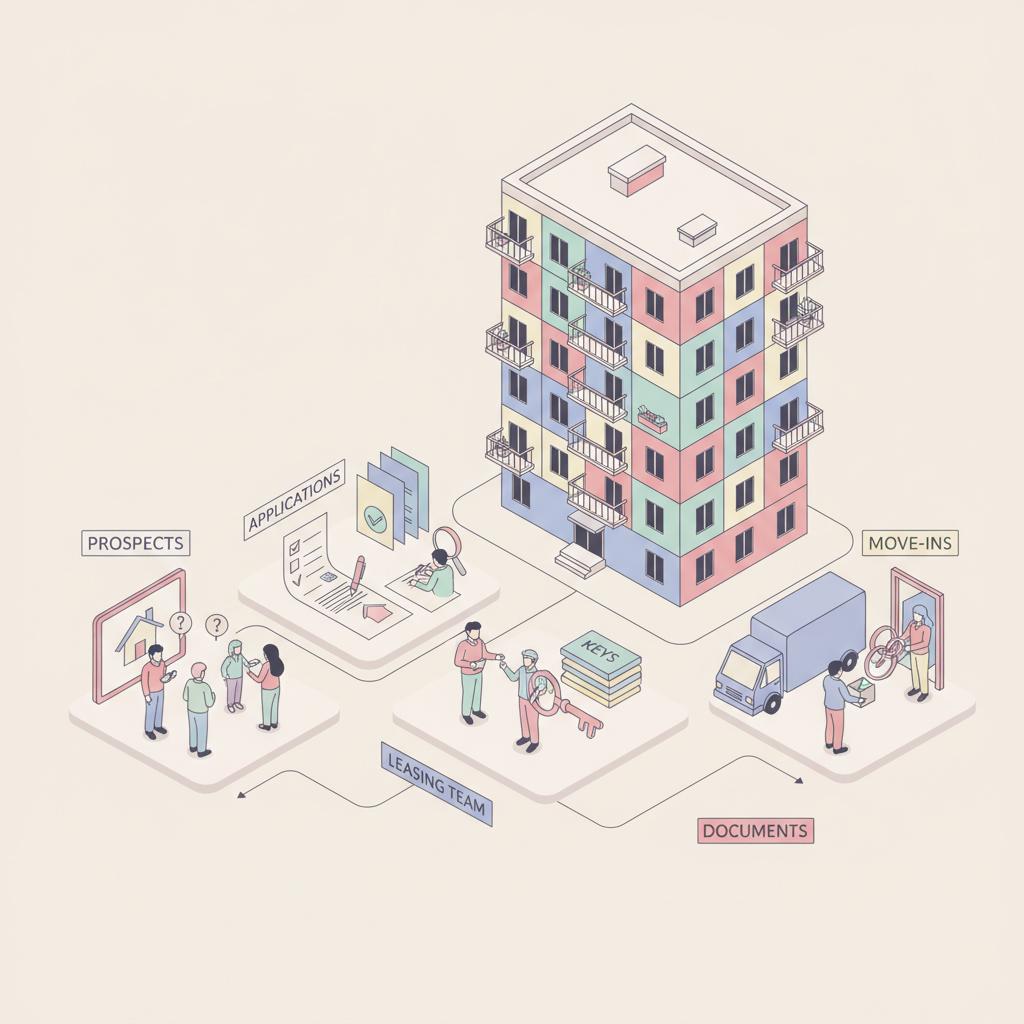
How RPM Living Fits into a Broader Real Estate Workflow
In a typical workflow, RPM Living sits closer to the property operations layer. That includes leasing, resident services, maintenance, and property-level execution.
Owners and investors may still need separate tools or teams for asset management, underwriting, market research, and portfolio reporting. That is where different tools serve different roles. A management company helps operate the asset. An investor-focused platform helps interpret what that operating performance means.
For example, a platform like Leni is designed for the analytical side of real estate work, such as underwriting, reporting automation, research, and memo creation. That is different from the operating role a company like RPM Living typically plays.
Frequently Asked Questions
What is RPM Living?
RPM Living is generally understood as a multifamily property management company focused on operating apartment communities on behalf of owners and investors.
Is RPM Living a software company?
No. It is better understood as a property management and operations company rather than a standalone software vendor.
What type of real estate is RPM Living associated with?
It is primarily associated with multifamily and apartment real estate.
Why would an owner work with a company like RPM Living?
Usually to improve operational consistency, support occupancy, coordinate maintenance, reduce day-to-day management burden, and gain better visibility into community performance.
Does RPM Living replace asset management?
No. Property management and asset management are connected, but asset management still requires separate oversight of strategy, capital planning, refinancing, and portfolio-level decision-making.
Final Takeaway
RPM Living is best understood as a multifamily property management company that helps operate apartment communities on behalf of owners and investors.
The reason it matters is simple: in rental housing, operational execution has a direct impact on occupancy, resident retention, expenses, and NOI. That means property management is not just administrative. It is part of investment performance.
If you are evaluating RPM Living, the key question is not only what services it offers. It is whether its operating model fits the visibility, consistency, and execution your property or portfolio actually needs. Understanding what that operating performance means for returns is a separate question, and an investor-focused platform like Leni is built for exactly that analytical layer.

AI in Real Estate Community
Connect with asset managers, operators, and investors navigating AI adoption in real estate.

Latest Help Articles
Learn about how AI is changing the investment world with in-depth research and industry voices.


MEET LENI
Purpose Built Agentic Platform for Investors
Designed for people who want to do serious work using AI.
We Work with Leaders Shaping the Industry
From automating portfolio reporting to market research, learn how leaders are integrating AI in their businesses.
