What is a strip mall?

Wondering what is a strip mall? Learn how these retail centers work, their design, key features, and why they’re vital for local businesses and communities.
A strip mall is a collection of grocery stores, salons, coffee shops, and retail shops. These businesses are lined up next to a parking area. These usually sit on highways and busy streets, facilitating better parking spaces. Doing errands has never been easier! Strip malls are typically either anchored, with a major draw like a grocery store, pharmacy, or discount retailer driving foot traffic, or unanchored, relying on a mix of smaller tenants. Many leases are structured as NNN (triple net), meaning tenants pay their share of property taxes, insurance, and CAM on top of base rent.
.webp)
You can buy groceries, get your hair done, drink coffee, and shop for clothes all in one place! This only encourages more and more people as it provides ease and saves time. Many people love this variety, and they highly utilize it.
What’s unique about strip malls is the design. The shops are L-shaped or aligned in a straight row with an extensive parking area. This layout allows better accessibility for quick visits while also being favorable for families.
Other than that, these locations often allow local businesses to flourish while providing residents a chance to interact and meet one another. Reinforcing community bonds.
The rise of e-commerce and large retailers also affects strip centers. The strip mall added fitness studios, entertainment attractions, and food trucks to improve its competitiveness. Such enhancements improve the shopping experience and cater to more customer segments.

For a closer look at how experienced operators are navigating margin pressure in today's market, here's a good reference:
Why is there a spotlight now on margins? | AJ Slivinski:
.webp)
Strip malls have some key features. They are usually long and narrow. They often have big stores like grocery and drugstores. Many different retailers share one building. They also have large parking lots.
Strip malls are often found along main roads. All these aspects influence their appeal and usability.
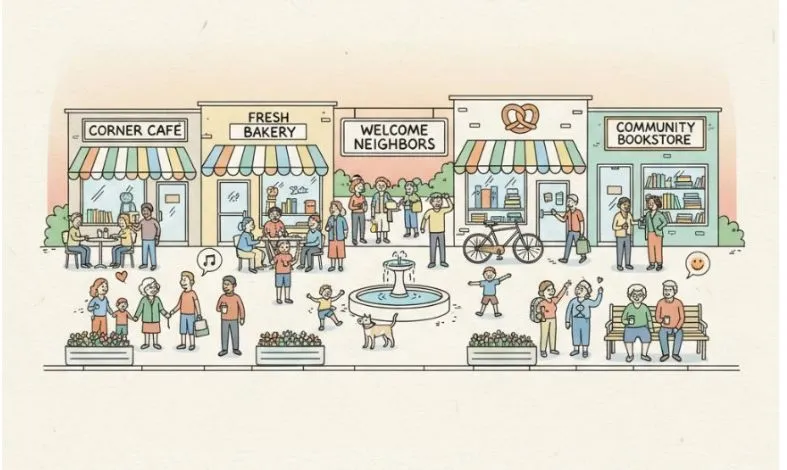
Accessibility, diversity of the shops, and visibility are the main benefits of strip malls. Their central locations and easy access make them great for quick shopping trips. The diverse clientele offers something for everyone. The main streets ensure excellent visibility of the businesses further generating customers.
The strip mall usually houses shops, salons, dry cleaners, restaurants, and other companies. They are a great chance for new or small businesses. The low cost allows entrepreneurs to get space without high expenses.
The safety of strip malls is important. They usually have lots of parking and bright lights. This helps shoppers feel safe, even at night. These types of designs are conducive to families and therefore make their expectations greater.
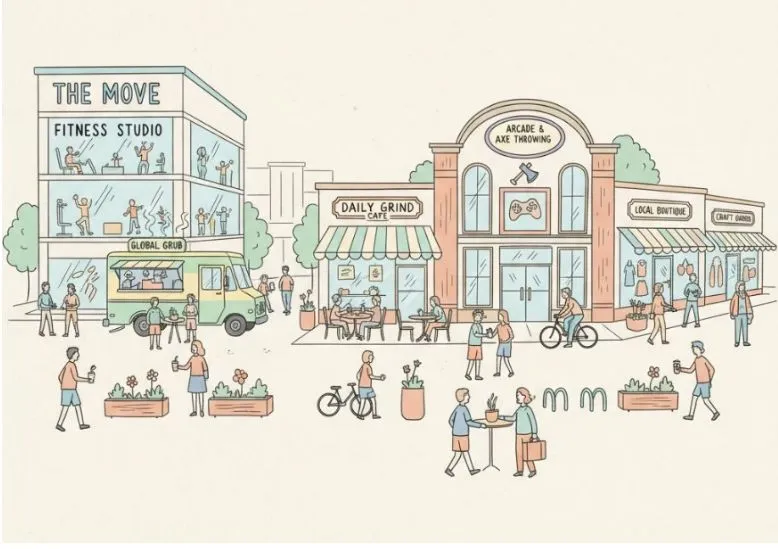
In conclusion, strip centers are an important part of the retail industry. They offer convenience, a variety of choices, and a sense of community. Their positions, efficiency, and responsiveness to the market are effective and advantageous for any business and its customers. The operators who hold these assets long-term tend to be the ones who understood the lease structure before they closed, not after.


AI in Real Estate Community
Connect with asset managers, operators, and investors navigating AI adoption in real estate.

Latest Help Articles
Learn about how AI is changing the investment world with in-depth research and industry voices.


MEET LENI
Purpose Built Agentic Platform for Investors
Designed for people who want to do serious work using AI.
We Work with Leaders Shaping the Industry
From automating portfolio reporting to market research, learn how leaders are integrating AI in their businesses.
